

Right to Silence
0 CommentsIn New South Wales, under section 89 of the Evidence Act 1995 (NSW), the right to silence is generally protected.
Section 89 provides that, subject to section 89A, in criminal proceedings, an inference that is unfavourable to a party must not be drawn from evidence of a person’s failure or refusal to answer questions or respond to representations made by an investigating official in relation to the investigation of an offence. Evidence of this kind is inadmissible where it can only be used to draw such an inference.
However, the evidence may still be admitted where evidence is used to prove that the party or person’s failure or refusal to answer a question or to respond to a representation is a fact in issue in the proceedings. Inference includes an inference of consciousness of guilt or an inference that is relevant to a party’s credibility.
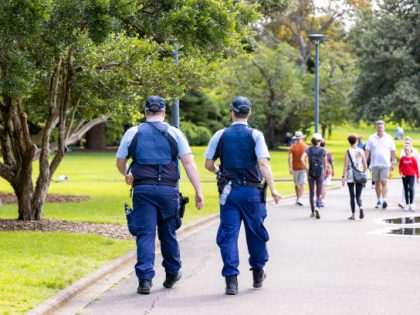
If police want to question a person about an alleged offence, in certain circumstances, a person does not need to answer questions and is not obligated to do a formal interview or say anything.
Police must caution a person that they are not obliged to say or do anything unless they wish to, but anything a person says may be used in evidence. Anything a person says can be recorded and potentially used as evidence later.
However, there are also some exceptions; in certain circumstances, a person is required to provide their name, address and date of birth if asked by the police.
In relation to specific matters relating to serious cases, such as serious indictable offences, if police provide a special caution in the presence of a person’s lawyer, a person who exercises their right to remain silent can be used in evidence against them later. Remaining silent on a key fact may lead to a court drawing an unfavourable inference later if a person relies on it as part of their defence.
Importantly, a person has a right to remain silent, and it would be best to speak to a lawyer for legal advice before answering any questions.
About Post Author

* Information contained in this article is of a general nature only and should not be relied upon as concise legal advice.
Please contact for legal advice tailored to your situation. *