

Children’s Court
0 CommentsThe New South Wales Children’s Court deals with various matters throughout New South Wales that involve children and young people.
Types of matters can include matters that involve the care and protection of children and young people under 18 years of age, criminal matters where the defendants were under 18 years old during the time of the alleged offence, traffic matters where the defendant is not of the age to hold a driver’s licence or permit, or where the Children’s Court is already dealing with related criminal offences, applications relating to Apprehended Violence Orders where the defendant is under 18 years of age, applications relating to Compulsory Schooling Orders where a child or young person is required to attend school by law or matters involving breaches of parole or the eligibility of children and young persons for release on parole.
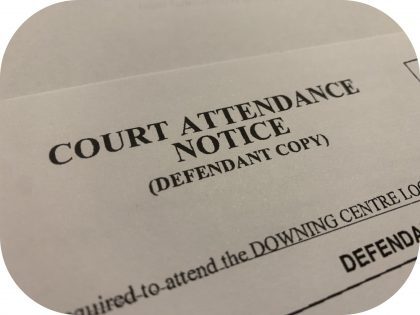
When a child or young person is charged by police with an offence, they are provided with a Court Attendance Notice. It includes details of the alleged offence, location and the date and time in which the case will be listed before the Children’s Court. However, in some circumstances where police have refused bail, the case will be listed as soon as possible.
If the child or young person obtains legal advice and enters a plea of guilty, a penalty may be imposed. Or the matter may be adjourned to obtain a report from Youth Justice for consideration in determining an appropriate penalty for the child or young person. If the child or young person enters a plea of not guilty, the case may be adjourned for the police to prepare and serve a brief of evidence. The brief of evidence can include statements from witnesses and material the police will rely on relating to the offence. After the evidence has been served, and the child or young person maintains their plea of not guilty, the court may adjourn the matter for a defended hearing. The defended hearing can include witnesses giving evidence and a decision on the alleged offence is made.
The Children (Criminal Proceedings) Act 1987 (NSW) includes principles the Children’s Court must consider when matters involve children and young people who have been charged. The principles that must be considered include children have the right to be heard and to participate in processes that lead to decisions that affect them, they are responsible for their actions but require guidance and assistance, wherever possible allowing the education or employment of a child to continue, wherever possible allowing a child to reside in their own home, penalties imposed on children should not be greater than penalties imposed on adults who commits the same type of offence, children maintain family and community ties, children who commit offences accept responsibility and make amends for their actions and there is appropriate consideration regarding the impact of a crime on a victim.
The court process is similar to processes for adult defendants but there are some differences. The court is closed to the general public and the judicial officer can exclude people from the courtroom. The proceedings are also conducted with less formality than other courts. Information that is likely to identify a child involved in the proceedings cannot be published or broadcast.
If the judicial officer determines that the child or young person is not guilty of the offence, the case will be dismissed. If it is determined that the child or young person is guilty, there are different penalties that can be imposed depending on the seriousness of the offence and the circumstances of the child or young person, including any previous criminal record. Types of orders that the Children’s Court can impose when a child or young person is found guilty of an offence includes dismissals with or without a caution, cautions, fines, good behaviour bonds, probation orders, community services orders or control orders placing the child or young person in detention.
Some offences are considered to be so serious that the processes and penalties available in the Children’s Court are not adequate. In these matters, the Children’s Court will conduct a committal proceeding where it will consider the evidence available and will refer the case to the District Court or the Supreme Court. A party who is not satisfied with the order of the Children’s Court may appeal to the District Court.
About Post Author

* Information contained in this article is of a general nature only and should not be relied upon as concise legal advice.
Please contact for legal advice tailored to your situation. *